
Pet Food Packaging: Stop Fat Oxidation, Extend Shelf Life
Choose the right barrier film and zipper closure for cat and dog food packaging to prevent rancidity and keep kibble fresh longer.
Written by MyPlast Technical Team
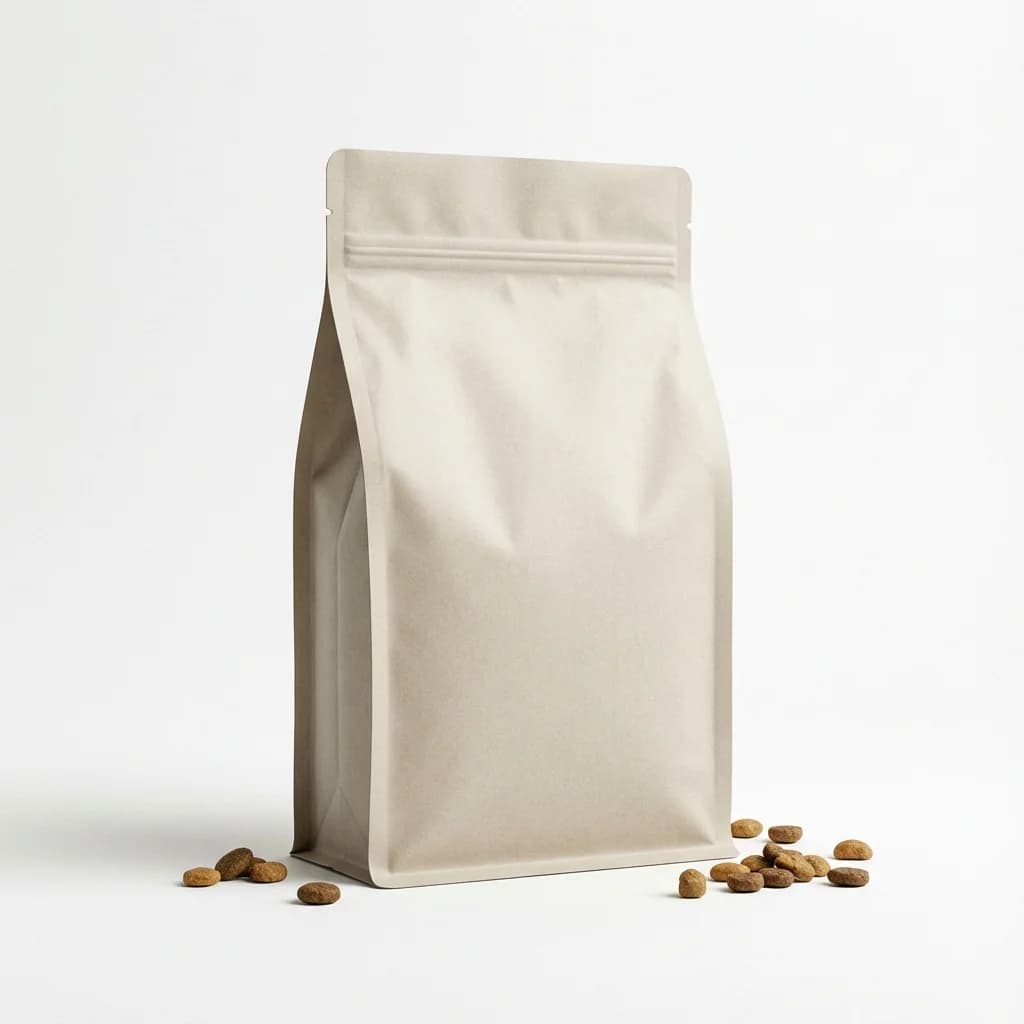
Summary: As the pet food market grows rapidly, packaging quality becomes a critical factor for brand success. In this guide, we examine every aspect of pet food packaging, from fat oxidation to zipper technologies, from format selection to brand strategies.
Pet Food Market: 2025 Outlook
The global pet food market is a massive sector expected to exceed $150 billion in 2025. In Turkey, pet ownership grows by more than 10% each year. This growth creates major opportunities for the packaging industry.
Key trends:
- Premium segment growth: Consumers seek higher-quality, organic, and natural products for their pets
- Portion-controlled packaging: Single-use and daily portion packs are in demand
- Sustainability: Eco-friendly packaging influences purchase decisions
- Online sales boom: E-commerce accounts for 30% of pet food sales
Why Is Pet Food a Difficult Product?
Pet food is one of the most challenging food categories from a packaging perspective. The reasons include:
Fat Oxidation: The Invisible Enemy
Pet food formulations typically contain 10-25% fat. These fats (animal and vegetable) oxidize when exposed to oxygen:
- Stage 1 (1-2 weeks): Peroxide formation begins, not yet noticeable
- Stage 2 (2-4 weeks): Odor changes start; pets begin to reject the food
- Stage 3 (4+ weeks): Rancidity becomes obvious; product becomes inedible
Oxidation does not only cause taste issues; it also leads to nutritional loss. Omega-3 and Omega-6 fatty acids, vitamins, and antioxidants degrade.
Moisture Absorption
Dry pet food typically contains 8-10% moisture. When moisture:
- Exceeds 12%: Risk of mold and bacterial growth
- Exceeds 14%: Shelf life shortens dramatically
Aroma Loss
Pets primarily choose food with their sense of smell. Packaging must keep aroma compounds inside. Loss of aroma causes rejection.
Core Protection Requirements
| Protection Factor | Why It Matters | Packaging Solution |
|---|---|---|
| Oxygen Barrier | Prevents fat oxidation | OTR < 2 cc/m²/day |
| Moisture Barrier | Prevents mold and softening | WVTR < 2 g/m²/day |
| Light Barrier | Prevents vitamin degradation | Opaque or metallized film |
| Aroma Retention | Pet acceptance rate | High-barrier lamination |
| Mechanical Strength | Shipping and storage | Reinforced seams |
Weight and Format Matching
Choosing the right format in pet food packaging is critical for both product protection and brand perception:
100g - 500g: Premium and Trial Sizes
Recommended Format: Doypack (Stand-Up Pouch)
- Resealable with zipper
- Excellent shelf visibility
- Premium brand perception
- Ideal for: Cat food, wet food powder, treats
500g - 2kg: Standard Retail
Recommended Format: Doypack or Flat Bottom
- Zipper closure as standard
- Flat bottom for a more premium look
- Good printable area
- Ideal for: Cat food, small dog food
2kg - 10kg: Family Size
Recommended Format: Quadro Seal
- Reinforced 4-corner seams
- High weight capacity
- Easy-pour opening option
- Ideal for: Dog food, multi-pet households
10kg - 25kg: Economic and HoReCa
Recommended Format: Woven PP or Kraft Laminate
- Maximum durability
- Handle or grip integration
- Pallet-friendly dimensions
- Ideal for: Large dogs, shelters, farms
Zipper Technologies: Consumer Expectations
Modern pet food consumers expect resealable packaging. Zipper options include:
Standard Zipper (Press-to-Close)
The most common and economical option. Standard for 500g+ packages.
Slider Zipper
Opens and closes with a single motion. Premium perception and ergonomic for elderly users.
Double Zipper
Extra sealing. Superior protection for dry food freshness.
Child-Resistant Zipper
For formulations requiring child safety. Mandatory in some countries.
Printing and Brand Strategies
Eye-Catching Design Elements
- Transparent window: Product visibility, quality assurance
- Pet imagery: Emotional connection, breed-specific targeting
- Color coding: Taste/formula differentiation
- Premium coatings: Matte, soft-touch, metallic effects
Mandatory Information
- Nutrition facts table
- Ingredients list (descending order)
- Feeding guide
- Production and expiration date
- Batch number
- Legal warnings
Recommended Lamination Structures
| Weight Range | Recommended Structure | Shelf Life |
|---|---|---|
| 100g - 1kg | PET/MPET/PE (110-130μ) | 12 months |
| 1kg - 5kg | PET/AL/PE (130-150μ) | 18 months |
| 5kg - 15kg | PET/AL/PE (150-180μ) + Nylon | 18 months |
| 15kg+ | Woven PP + PE Liner | 12-15 months |
Sustainable Pet Food Packaging
Environmentally conscious consumers also seek sustainability in pet products:
Mono-Material Solutions
Mono-PE and Mono-PP structures offer full recyclability. Barrier performance approaches traditional structures.
PCR Content Films
30-50% Post-Consumer Recycled content reduces environmental impact.
Downgauging
Optimizing material use by reducing film thickness. 15-20% savings are possible without sacrificing performance.
Special Requirements for E-commerce
Pet food packaging sold online faces extra challenges:
- Drop test resistance: Drop tests from 1 meter height
- Compression resistance: Palletization and shipping processes
- Puncture resistance: Critical for sharp-edged kibbles
- Compact sizes: Shipping cost optimization
Common Mistakes
Mistake 1: Insufficient Zipper Quality
Result: Zipper deformation during opening/closing cycles, loss of freshness, customer complaints.
Solution: Use zippers that withstand at least 50 open/close cycles.
Mistake 2: Weak Seam Strength
Result: Seam failures in heavy weights, product loss.
Solution: Reinforced seams and corner-reinforced designs for 5kg+.
Mistake 3: Wrong Barrier Selection
Result: Short shelf life, fat oxidation, returns/complaints.
Solution: OTR and WVTR values aligned with shelf-life targets.
Frequently Asked Questions (FAQ)
Is a zipper mandatory for pet food packaging?
While not legally mandatory, consumer expectations make resealable zippers an industry standard for 500g and above. Zippered packages increase customer satisfaction and positively influence brand preference.
Is there a difference between cat and dog food packaging?
Protection requirements are similar, but weight differences affect format selection. Cat foods are typically packaged in smaller sizes (100g-2kg), while dog foods can be offered in large formats like 5kg-25kg. Larger formats require stronger laminations and handling features (handles, grips).
Can transparent windows be used for pet food packaging?
Yes, transparent windows increase consumer trust by showing the product. However, windows reduce barrier performance, so window size should be optimized and product light sensitivity considered. Small windows are preferred on metallized or opaque packaging.
What is the ideal shelf life for pet food?
Typical shelf life targets for dry pet food are 12-18 months. This should be supported with high-barrier lamination structures (PET/AL/PE or PET/MPET/PE). Wet and semi-moist formulations have shorter shelf lives and require different packaging technologies.
Does organic pet food require special packaging?
For certified organic pet foods, packaging materials should also meet certification requirements. Organic consumers also expect sustainable packaging. Mono-material, PCR-content, or compostable options should be evaluated.
What should be considered for large-format (10kg+) pet food packaging?
Mechanical strength is critical in large formats: (1) Reinforced side seams, (2) Corner-reinforced design, (3) Handles or grips for carrying, (4) Easy-pour opening, (5) Minimum 150μ film thickness. Pallet pressure resistance should also be tested.
Conclusion: Keys to Successful Pet Food Packaging
- ✅ High oxygen barrier to prevent fat oxidation
- ✅ Format selection aligned with weight
- ✅ High-quality and durable zipper system
- ✅ Reinforced seams (especially 5kg+)
- ✅ Pet-centric, appealing design
- ✅ Materials that meet sustainability expectations
Pet food packaging is a strategic investment that directly affects product quality and brand success. The right packaging solution extends shelf life, increases customer satisfaction, and strengthens brand loyalty.
At MyPlast, we provide expert solutions with high-barrier films, zippered doypacks, and quadro seal formats.
Contact Us →