
QR Codes & Smart Packaging: Track Products, Stop Counterfeits
Add QR codes and NFC tags to your packaging for supply chain traceability, counterfeit protection, and direct customer engagement.
Written by MyPlast Technical Team
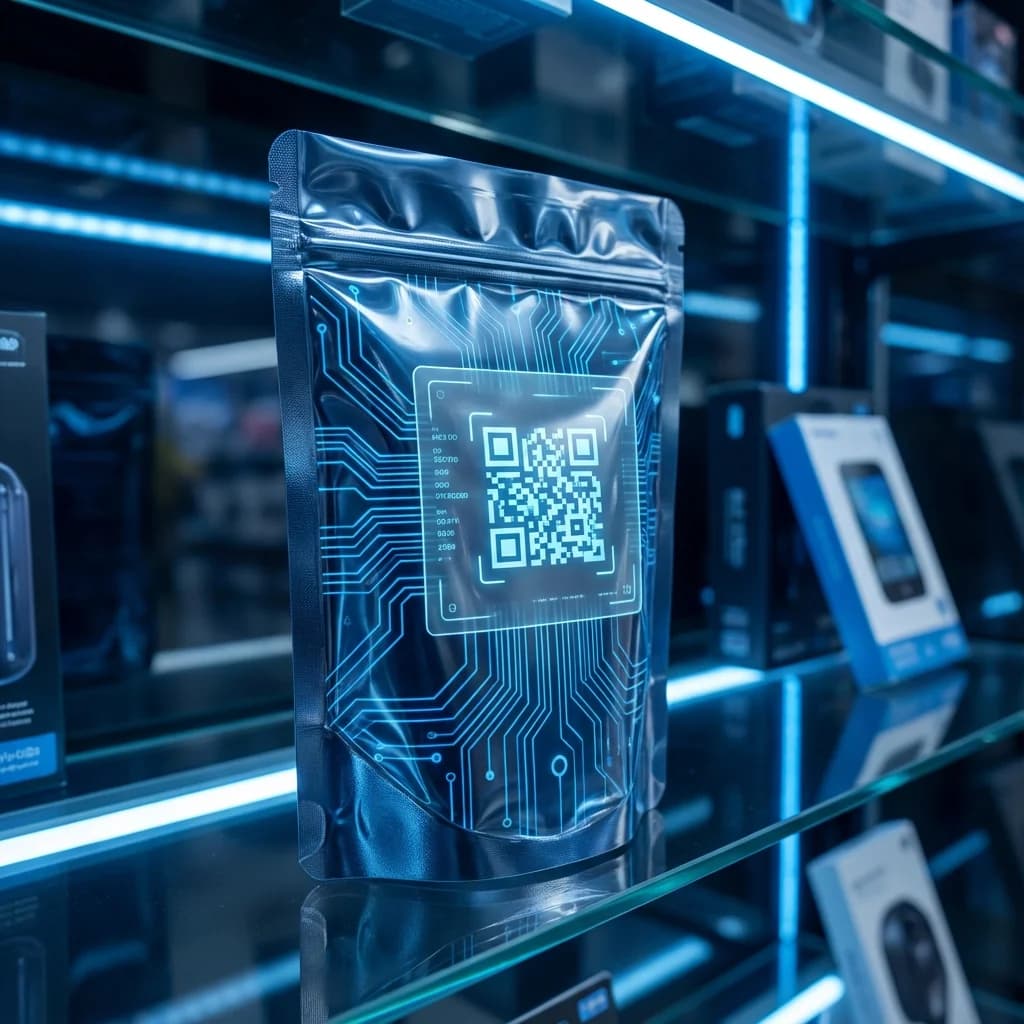
Summary: Smart packaging bridges the physical product and the digital world, transforming the brand–consumer relationship. From QR codes and NFC tags to supply chain traceability and anti-counterfeiting, explore every aspect of smart packaging technologies.
What Is Smart Packaging?
Smart Packaging goes beyond traditional protection and information, delivering digitally enhanced packaging solutions. These technologies:
- Communicate directly with consumers
- Provide real-time product status information
- Deliver supply chain visibility
- Enhance the brand experience
Types of Smart Packaging
| Technology | How It Works | Typical Applications |
|---|---|---|
| QR Code | Optical scan, URL redirect | Information, engagement, traceability |
| NFC | Near-field communication, tap-to-read | Premium products, authentication |
| RFID | Radio frequency, bulk scanning | Logistics, inventory management |
| Sensors | Temperature, humidity, gas measurement | Cold chain, freshness indicators |
QR Code Applications
Why QR Codes?
QR codes are the most widespread and cost-effective smart packaging solution:
- No extra hardware cost (integrated into print)
- Everyone can scan with a smartphone
- Dynamic content can be updated
- Enables analytics and data collection
1. Product Information
Packaging real estate is limited. QR codes can deliver:
- Detailed nutrition information
- Allergen info
- Usage instructions
- Video content (recipes, usage)
- Multi-language support
2. Supply Chain Traceability
Provides “farm to table” transparency:
- Raw material source
- Production facility and date
- Shipping route
- Certification verification
3. Anti-Counterfeiting
Serialized QR codes for each unit:
- One-time verification
- Copy detection systems
- Parallel import tracking
4. Consumer Engagement
- Loyalty programs
- Contests and campaigns
- Social media links
- Customer feedback
NFC Technology
What Is NFC?
Near Field Communication (NFC) is a wireless technology that operates within 10 cm. It transfers data when a phone is tapped on the tag.
NFC vs QR Code
| Feature | QR Code | NFC |
|---|---|---|
| Cost (per unit) | ~0 (print cost) | 0.05-0.50 USD |
| Reading method | Scan with camera | Tap |
| Visual requirement | Must be visible | Can be hidden |
| Counterfeit resistance | Medium (copyable) | High (hardware-based) |
| User experience | Good | Premium |
NFC Use Cases
- Luxury goods (wine, cosmetics, fashion)
- Pharmaceutical and medical devices
- Premium food products
- High-counterfeit-risk products
Supply Chain Traceability
Why Traceability?
Modern consumers want to know where products come from. Food traceability is a legal requirement in many regions:
- Faster response during food safety crises
- Efficient recalls
- Consumer trust
- Sustainability verification
Blockchain Integration
QR/NFC + Blockchain combination provides:
- Immutable records
- End-to-end visibility
- Access for all stakeholders
- Trusted data
Implementation Guide
QR Code Design Principles
- Minimum size: 15x15mm (smaller = harder to scan)
- Contrast: dark code on light background (or vice versa)
- Quiet zone: at least 4 modules of whitespace around
- Print: minimum 300 DPI resolution
- Test: scan under different light and angles
Dynamic vs Static QR Codes
Static: URL is fixed and cannot be changed. Best for simple use cases.
Dynamic: Redirect URL can be updated and provides analytics. Preferred for campaigns and traceability.
Cost Analysis
| Technology | Unit Cost | Platform/Infrastructure | Total Investment |
|---|---|---|---|
| QR Code (static) | ~0 | Free | Low |
| QR Code (dynamic) | ~0 | 100-500 USD/month | Medium |
| NFC Tag | 0.10-0.50 USD | 500-2000 USD/month | High |
| RFID | 0.05-0.30 USD | Reader + software | High |
Successful Implementation Examples
Food Industry
- Olive oil brands: harvest date and region info
- Organic products: certification verification
- Baby food: batch tracking and safety
Beverages
- Wine: cellar info and pairing recommendations
- Energy drinks: campaigns and gamification
Cosmetics
- Luxury perfumes: authenticity checks
- Skincare: usage videos, personalized recommendations
2025 Trends
GS1 Digital Link
One barcode/QR code for both POS and consumer content. Standardization is accelerating.
Augmented Reality (AR)
Scan-to-AR experiences with 3D animations. Especially popular for kids’ products.
Personalization
Dynamic content tailored to user preferences. AI-powered recommendations.
Frequently Asked Questions (FAQ)
How is a QR code integrated into packaging?
The QR code is integrated into the design during printing. Additional cost is practically zero. The key is correct size, contrast, and placement. QR codes can be printed with gravure, flexo, or digital printing.
How is an NFC tag applied?
NFC tags are usually produced separately and then applied or integrated into packaging. Inlay versions can be embedded during lamination. NFC tags do not work on metal surfaces — aluminum laminations require special design.
What are typical QR scan rates?
Scan rates vary by sector and application, typically between 1-5%. In premium products with strong call-to-action, rates can reach 10%. Even small engagement yields valuable data and loyalty opportunities.
Is a QR code enough for anti-counterfeiting?
Standard QR codes are easy to copy. Real anti-counterfeiting requires serialized QR codes and cloud-based verification. For high security, NFC or security hologram combinations can be considered.
Which products make sense for smart packaging?
Smart packaging adds value for: (1) premium/luxury products, (2) high counterfeit risk items, (3) legally required traceability, (4) strong brand storytelling, (5) products with repeat purchase cycles (loyalty programs).
Conclusion
Smart packaging is the digital transformation of packaging. When implemented correctly, it:
- ✅ increases consumer engagement
- ✅ strengthens brand trust
- ✅ combats counterfeiting
- ✅ delivers valuable consumer data
- ✅ supports sustainability communication
At MyPlast, we provide QR code integration and smart packaging consultancy.
Let’s Discuss Your Project →