
Understanding Barrier Packaging
Barrier packaging refers to packaging materials designed to prevent the transfer of oxygen, moisture, aromas, and light between the external environment and the packaged product. This protection is essential for extending shelf life and maintaining product quality.
The Four Primary Barriers
1. Oxygen Barrier
Oxygen causes oxidation—the primary cause of food spoilage. It degrades fats, destroys vitamins, and causes color changes.
Key materials:
- Aluminum foil: Near-zero oxygen transmission (OTR < 0.01 cc/m²/day)
- EVOH: Excellent transparent oxygen barrier
- Metallized PET: Cost-effective barrier with reflective appearance
2. Moisture Barrier
Moisture ingress leads to loss of crispness, clumping, and microbial growth.
Key materials:
- PE (Polyethylene): Excellent moisture barrier, commonly used as sealant layer
- PP (Polypropylene): Good moisture resistance with higher temperature tolerance
3. Light Barrier
UV light degrades light-sensitive products like oils, dairy, and certain pharmaceuticals.
Key materials:
- Aluminum or metallized films: Complete light blockage
- White-pigmented films: Partial UV protection
4. Aroma Barrier
Prevents both the loss of product aromas and contamination from external odors.
Key materials:
- PET: Good aroma barrier
- Nylon: Excellent for retaining volatile aromatics
Common Laminate Structures
No single material provides all barrier properties. Therefore, materials are laminated together:
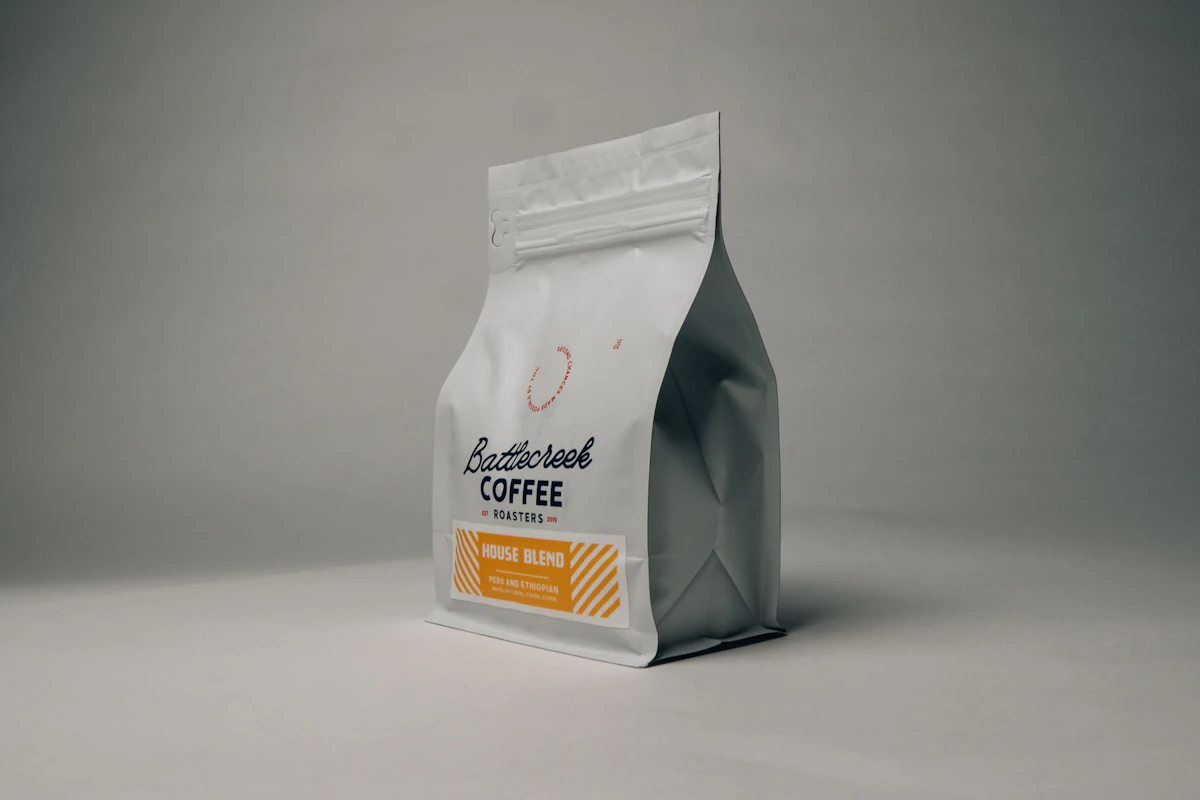
Standard Coffee Bag Structure
PET 12μ / AL 7μ / PE 80μ
- PET: Printing surface & mechanical strength
- AL: Complete oxygen, light, and aroma barrier
- PE: Heat sealability & moisture barrier
Economy Snack Structure
BOPP 20μ / MET-PET 12μ / PE 50μ
- BOPP: Cost-effective, glossy surface
- MET-PET: Metallic appearance + barrier
- PE: Sealing layer
Choosing the Right Barrier
The "best" barrier depends on your product's sensitivity:
- Dry snacks: Focus on moisture barrier
- Coffee: Prioritize oxygen barrier
- Powders: Balance moisture and oxygen
- Oils: Light barrier critical
Work with Experts
Proper barrier specification requires understanding not just the product, but also fill conditions, distribution environment, and target shelf life. Our packaging engineers can help you design the optimal structure for your specific application.